Renovating a bathroom without demolition: the wall panel solution
Renovating a bathroom by fitting SPC panels over the existing tiles: feasibility, sealing the junctions, fitting in a shower, cost and the real time on site.
Redoing a bathroom in Morocco traditionally means: breaking out the tiles, clearing the rubble, making good the substrate, re-tiling, grouting, waiting for it to cure. One to two weeks, a room out of use, and a great deal of dust through the whole home.
The SPC wall panel offers another route: fitting over the top.
The principle
An 8 mm SPC panel bonds directly to the existing tiles. No removal, no rubble, no re-rendering. The room is usable the same evening.
The material is waterproof right through — it is not a surface-treated covering. That is what allows it to be used on a shower wall, where MDF, even moisture-resistant, would not survive.
Checking that it will work in your case
Three checks, ten minutes.
Are the tiles sound?
Tap the tiles with the handle of a screwdriver, methodically. A tile that sounds hollow has come away: it must be re-fixed or locally removed. Bonding a panel over a loose tile guarantees that the whole thing will come off.
Is the wall flat?
Hold a 2 m straightedge against the wall, in several directions. If the maximum gap exceeds 5 mm, bonding directly is not advisable: the rigid panel will not follow, and the defect will show.
The answer: a batten frame plumbed with shims, with the panels fixed to it. That costs 3 to 4 cm of room width.
Is there damp in the wall?
This is the one disqualifying point. Rising damp or an untreated leak must be resolved before covering anything. Fitting a waterproof covering onto a damp wall traps the moisture: it will eventually release the adhesive and come out somewhere else, often in the next room.
If you see tide marks, blistering paint or salt efflorescence: treat that first.
Fitting in a wet room
The material is waterproof. It is the junctions that make it watertight.
The corners
Sanitary silicone — not acrylic — in every internal corner: wall corners, wall-to-ceiling junction, wall-to-tray junction.
The foot of the wall
This is the critical point. At the bottom of a shower wall or above a bath, fit a trim profile in aluminium or PVC, backed by a silicone seal. Running water must never be able to get behind the panel.
The penetrations
Taps, shower column, waste: drill with a hole saw at exactly the right diameter, and seal around it with silicone before fitting the escutcheon.
The joints between panels
In a direct spray zone, use an H-section joining profile with silicone rather than a dry butt joint. Outside the spray zone, a matching silicone joint is enough.
The finishes that suit
In a bathroom, two families work particularly well.
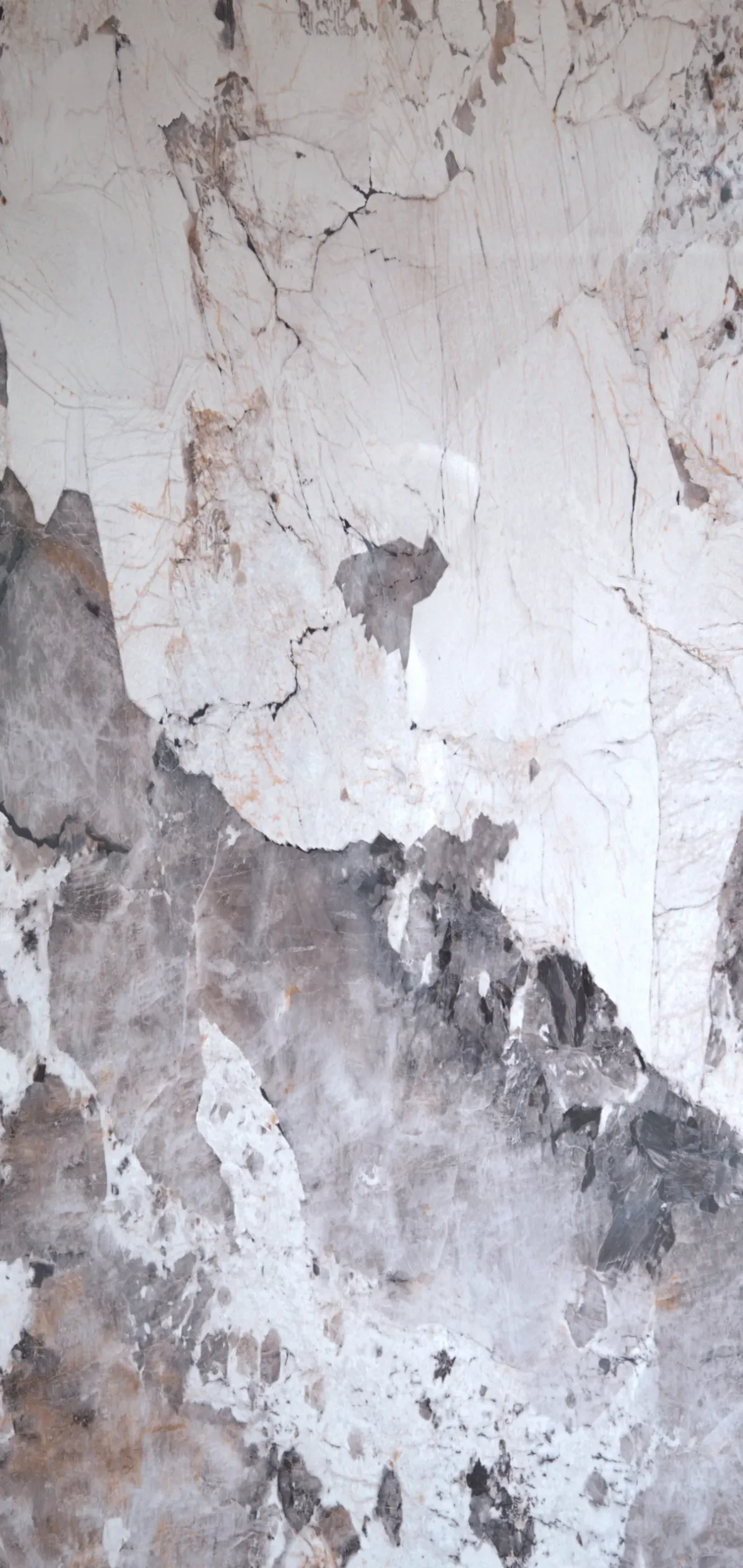
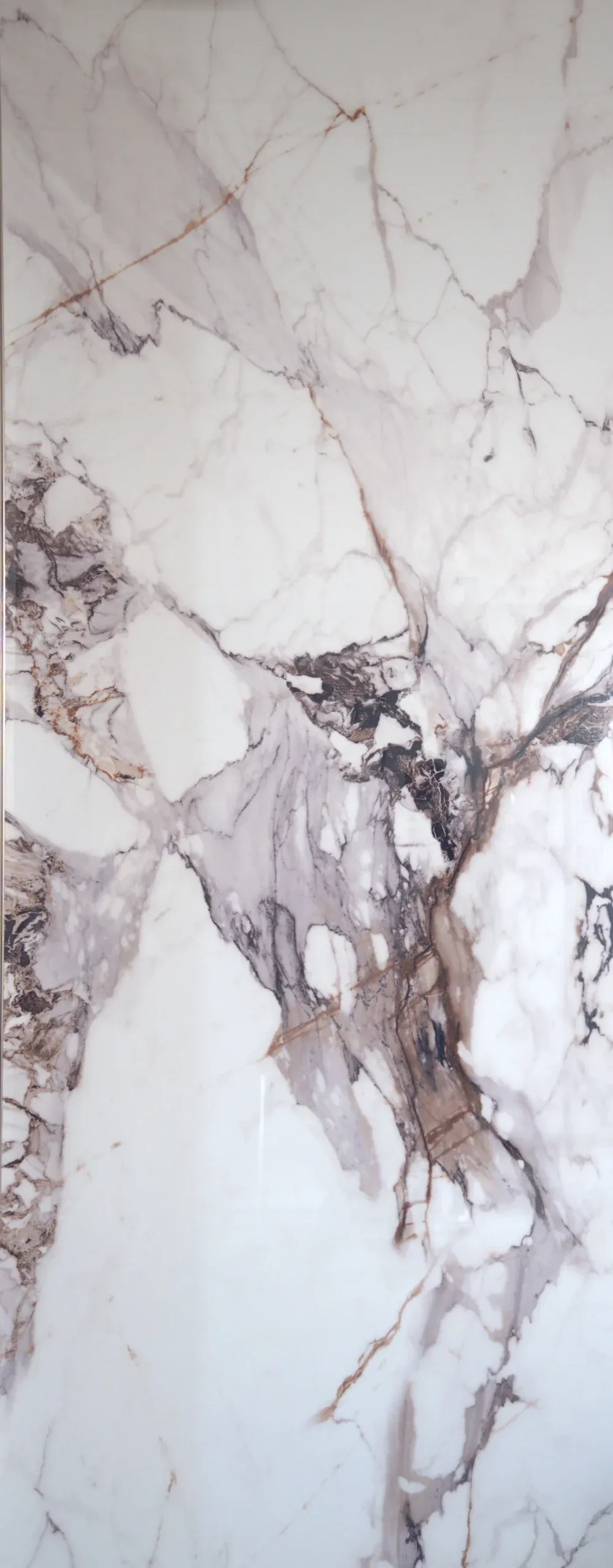
Pale marbles — white with grey clouding and black veins, Calacatta Gold, white with gold grooves — open the room up visually and bounce light around. It is the default choice in Moroccan bathrooms, which often have no window or only a small one.
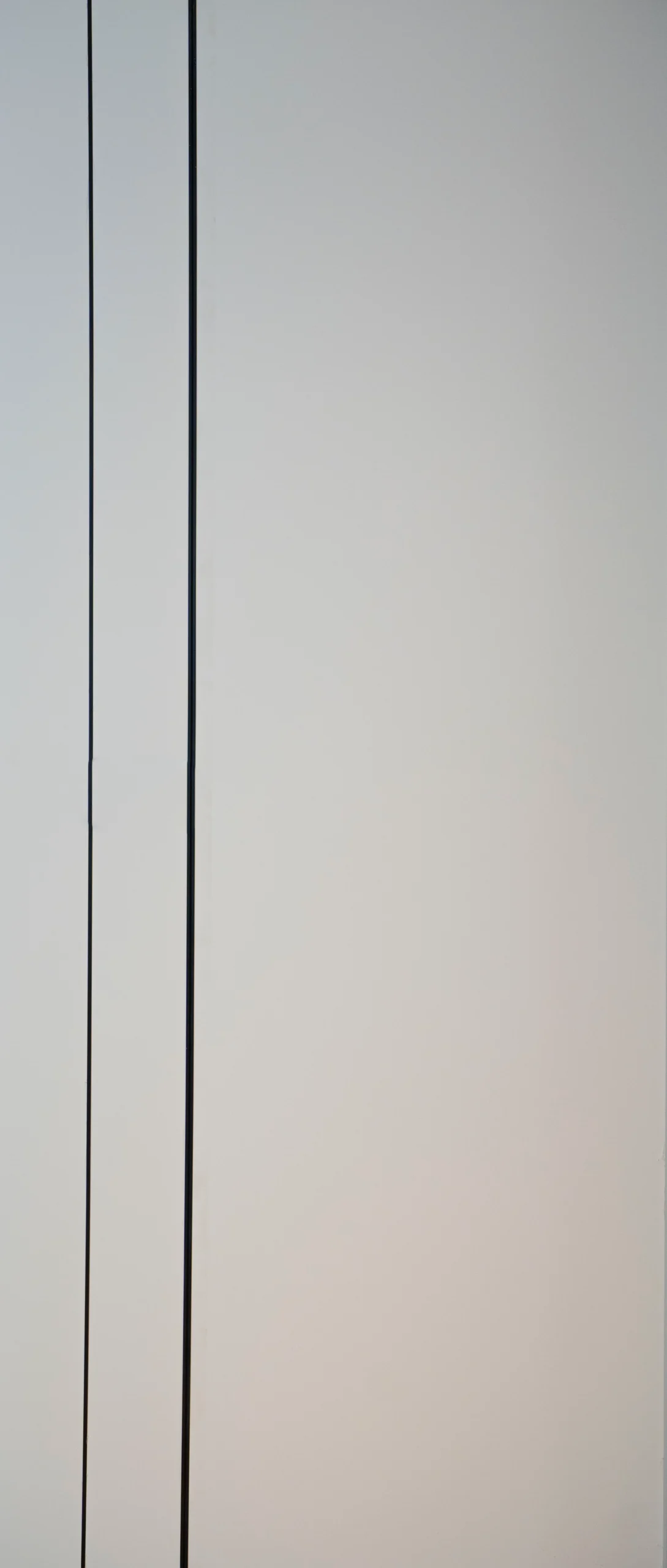
Matt plains — glacier white, off-white, taupe grey — for a quieter result, or to accompany a marbled accent wall. The combination of one marbled wall and three plain ones is the one that ages best.
See our SPC panel range.
The honest comparison with tiling
| New tiling | SPC panel over existing | |
|---|---|---|
| Time on site | 1 – 2 weeks | 1 – 2 days |
| Removal and rubble | Yes, considerable | No |
| Room out of use | The whole time | A few hours |
| Grout to maintain | Yes | No |
| Room width lost | None | 8 mm (or 4 cm with a frame) |
| Service life | 20 years and more | 15 years and more |
| Reversible | No | Yes |
Tiling is still better on raw service life and costs no width. The panel wins on everything to do with the job itself: the time, the dust, the disruption and the grout maintenance.
In an occupied home with a single bathroom, that gap often weighs more than everything else put together.
Our guide to the price of a wall covering in Morocco sets out the budget in detail.
Mistakes to avoid
Fitting over a tile that sounds hollow. The whole thing will come away in sheets.
Using acrylic sealant instead of sanitary silicone. Acrylic does not stay watertight and goes mouldy.
Leaving out the bottom trim. That is where water gets in, every time.
Fixing a heavy unit into the panel alone. A shower column or a wall-hung unit must be plugged into the masonry substrate, through the panel and the tile.
Covering a damp wall. Treat the cause first — always.
Getting your bathroom costed
Send us the dimensions of the walls to be covered, a photograph of the current state, and say whether it is a shower wall or a covering outside the wet zone.
We come back within 24 working hours with the panels needed, the profiles, the sealant and a detailed take-off.
From the theory to the site
2900 × 1200 × 8 mm SPC wall panels
White Marble-Effect SPC Wall Panel with Grey Drifts and Black Veining — Sheet Board SS014
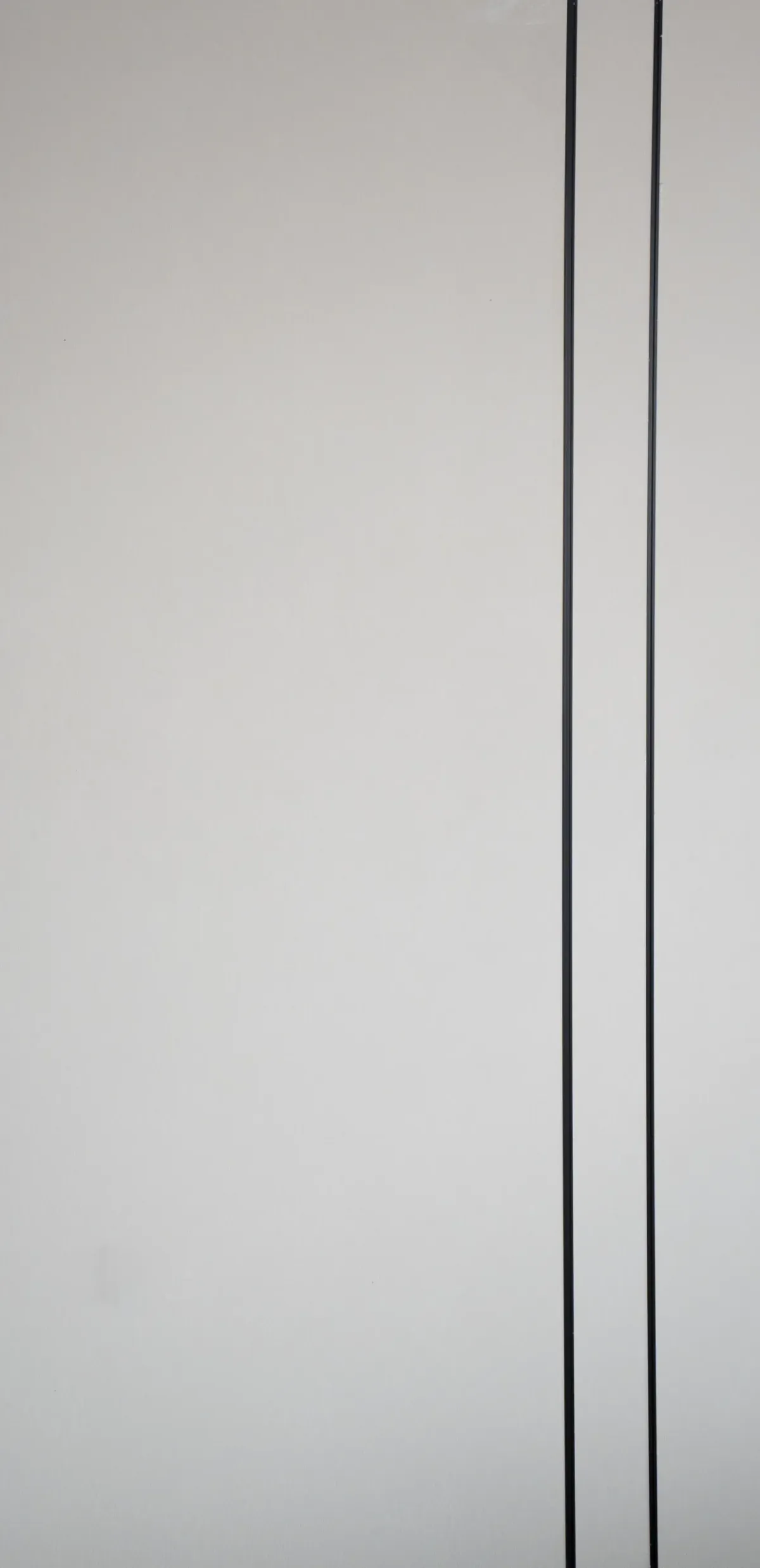 2900 × 1220 × 8 mm
 SPC wall panels
Plain Glacier White SPC Wall Panel — Sheet Board ST-13
 2900 × 1200 × 8 mm
 SPC wall panels
Calacatta Gold Marble-Effect SPC Wall Panel — Sheet Board PT073
 2900 × 1220 × 8 mm
 SPC wall panels