
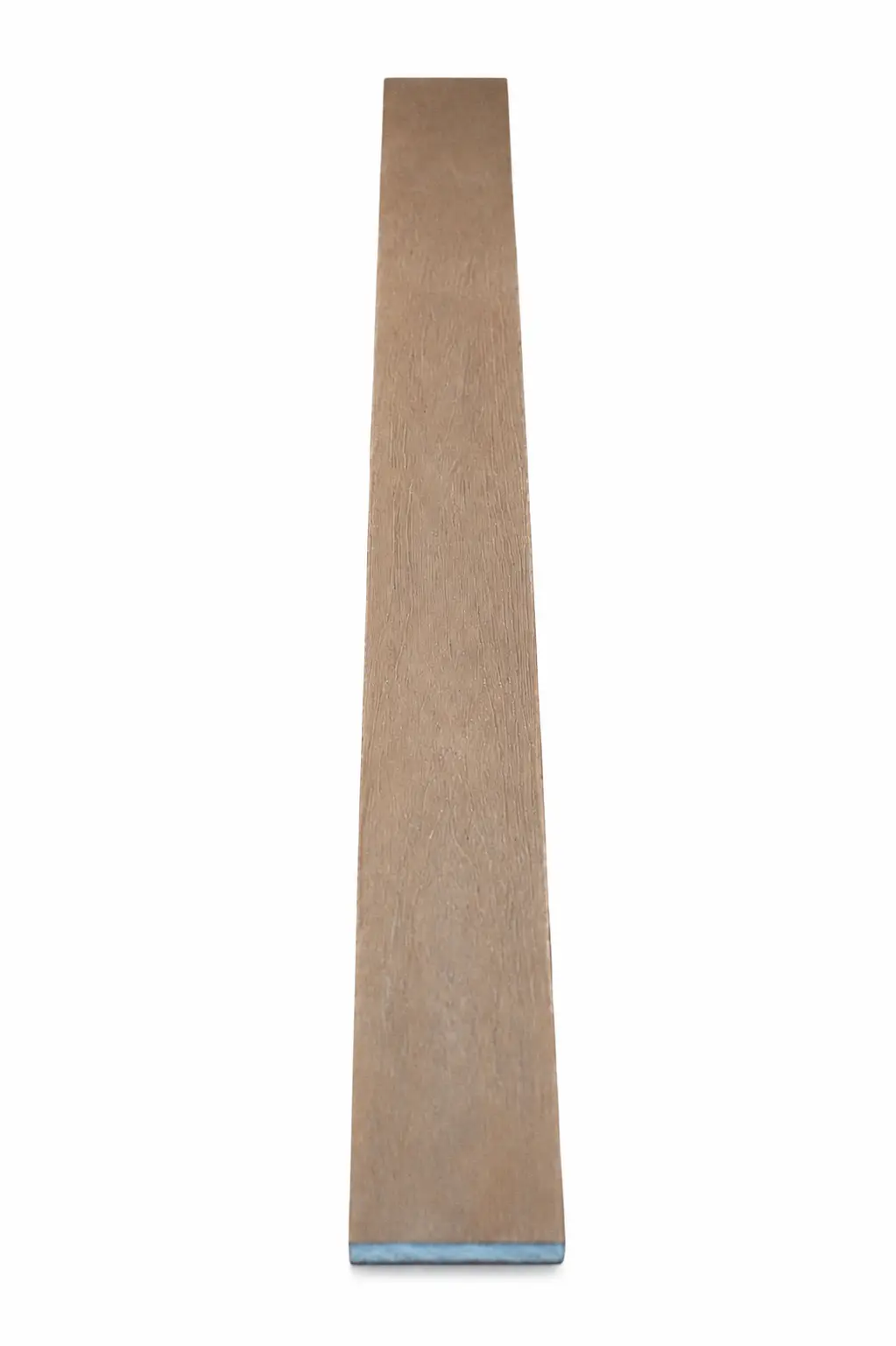
 2900 × 71 × 11 mm
 Flat façade boards
Range
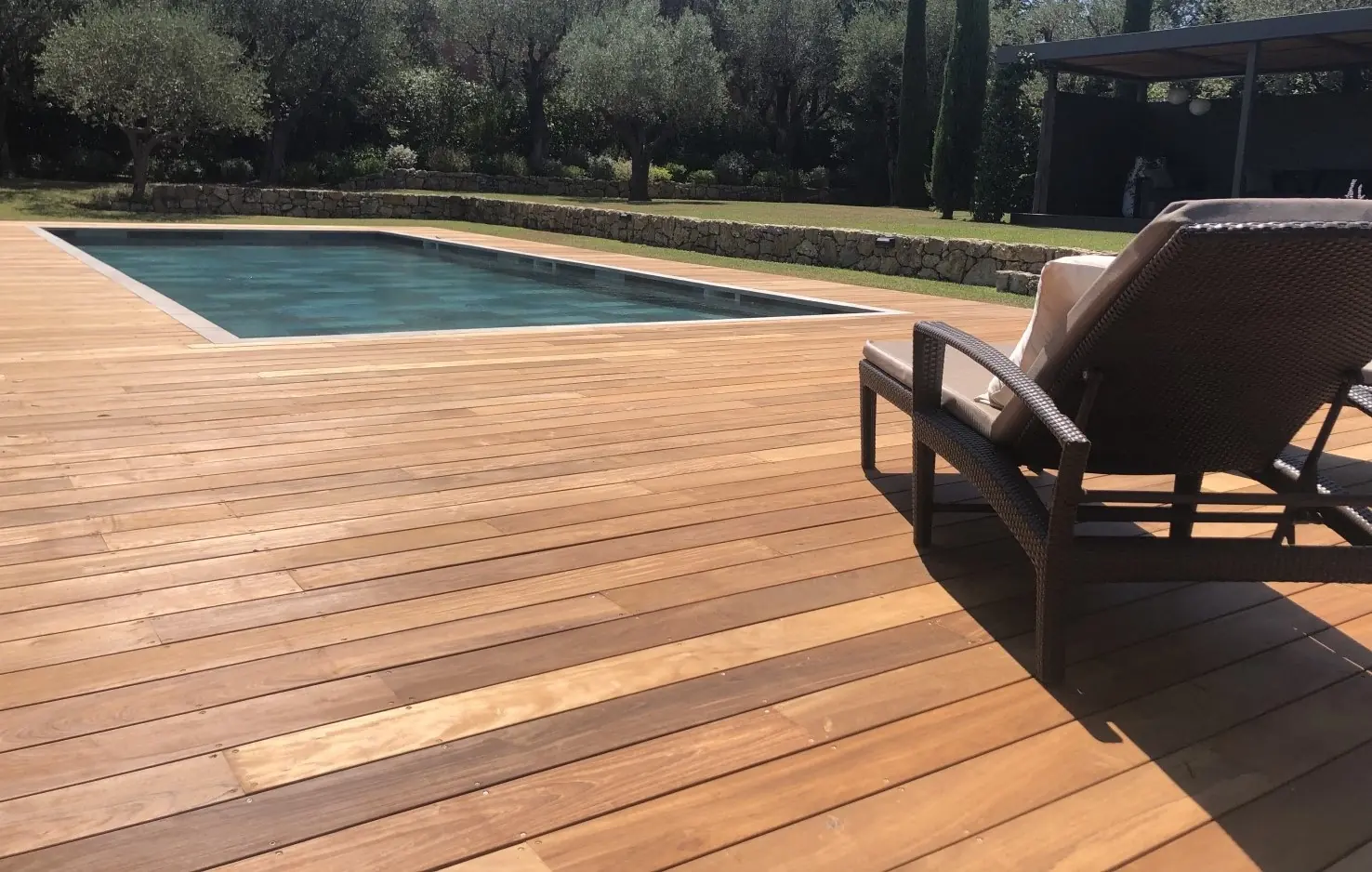
Terraces, poolsides, ventilated façades, privacy screens: everything that takes the sun and the sea air, in high-density WPC composite.
2900 × 71 × 11 mm Flat façade boards
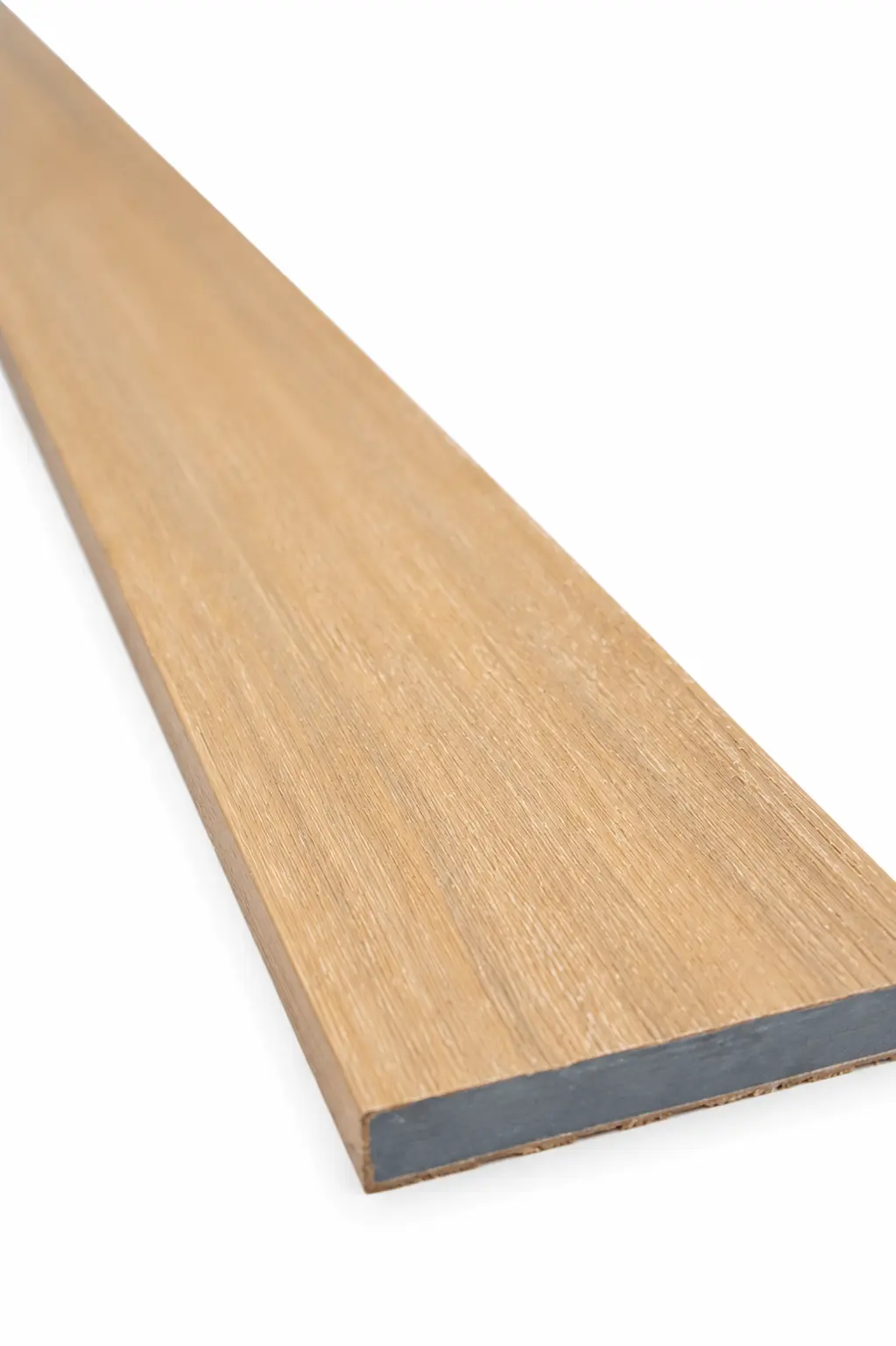 2900 × 71 × 11 mm
 Flat façade boards
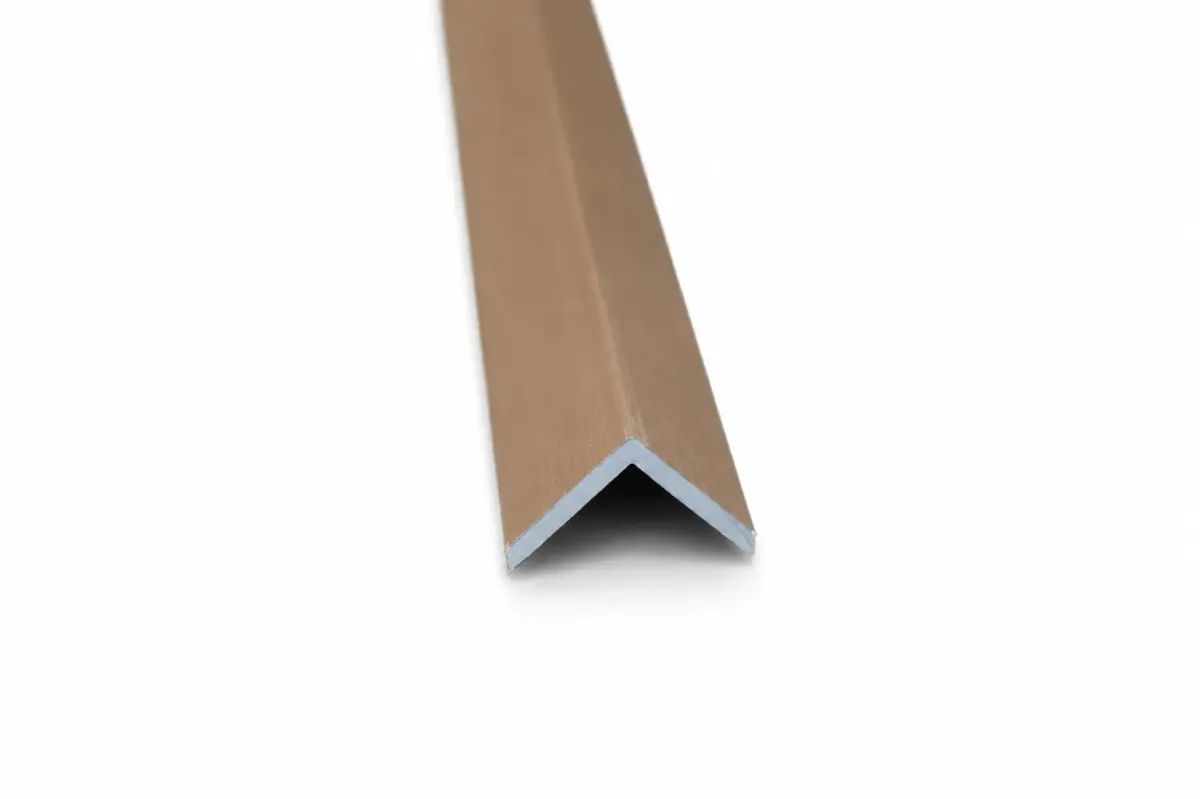 2900 × 50 × 50 mm
 Corner trims
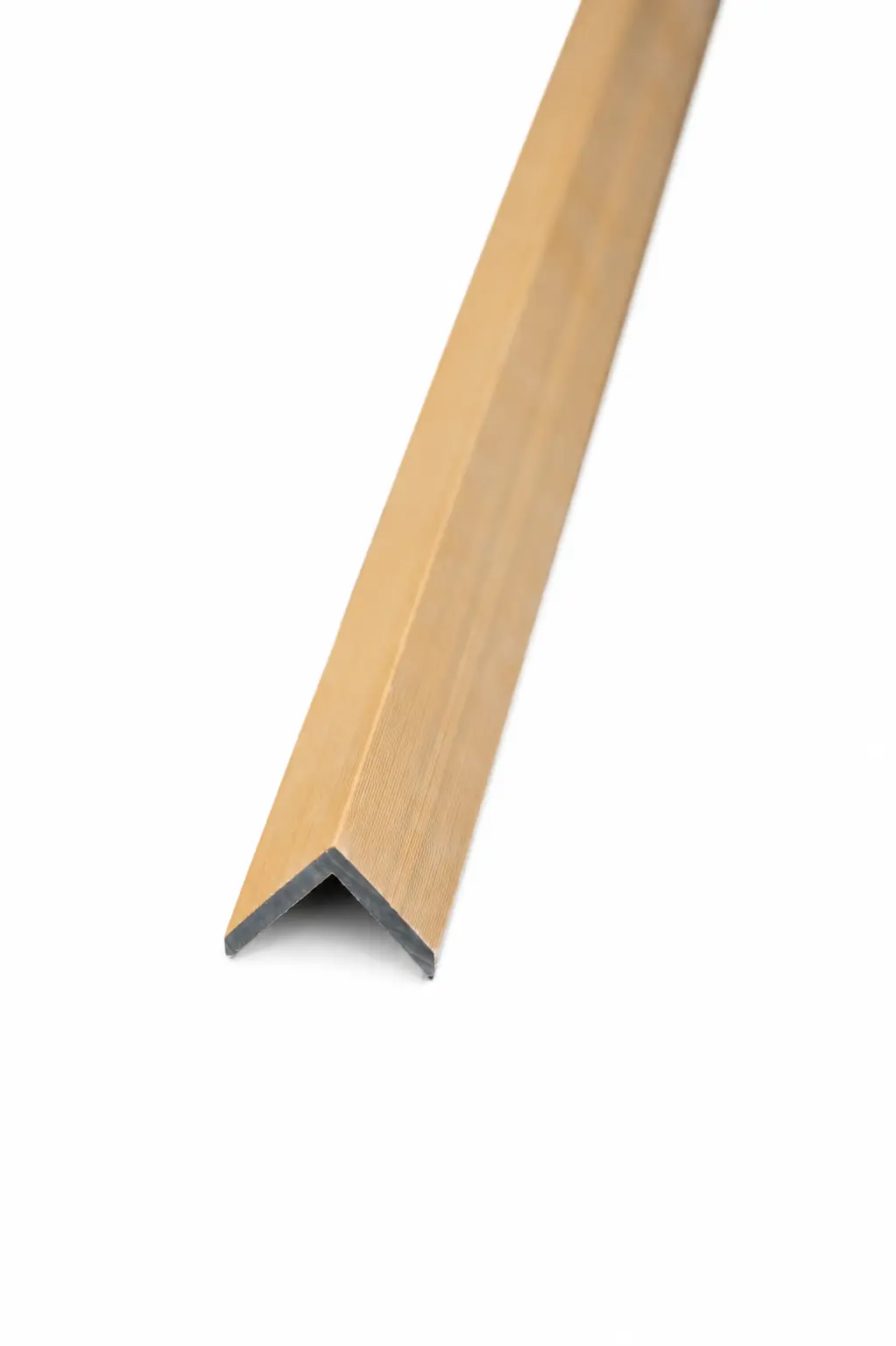 2900 × 50 × 50 mm
 Corner trims
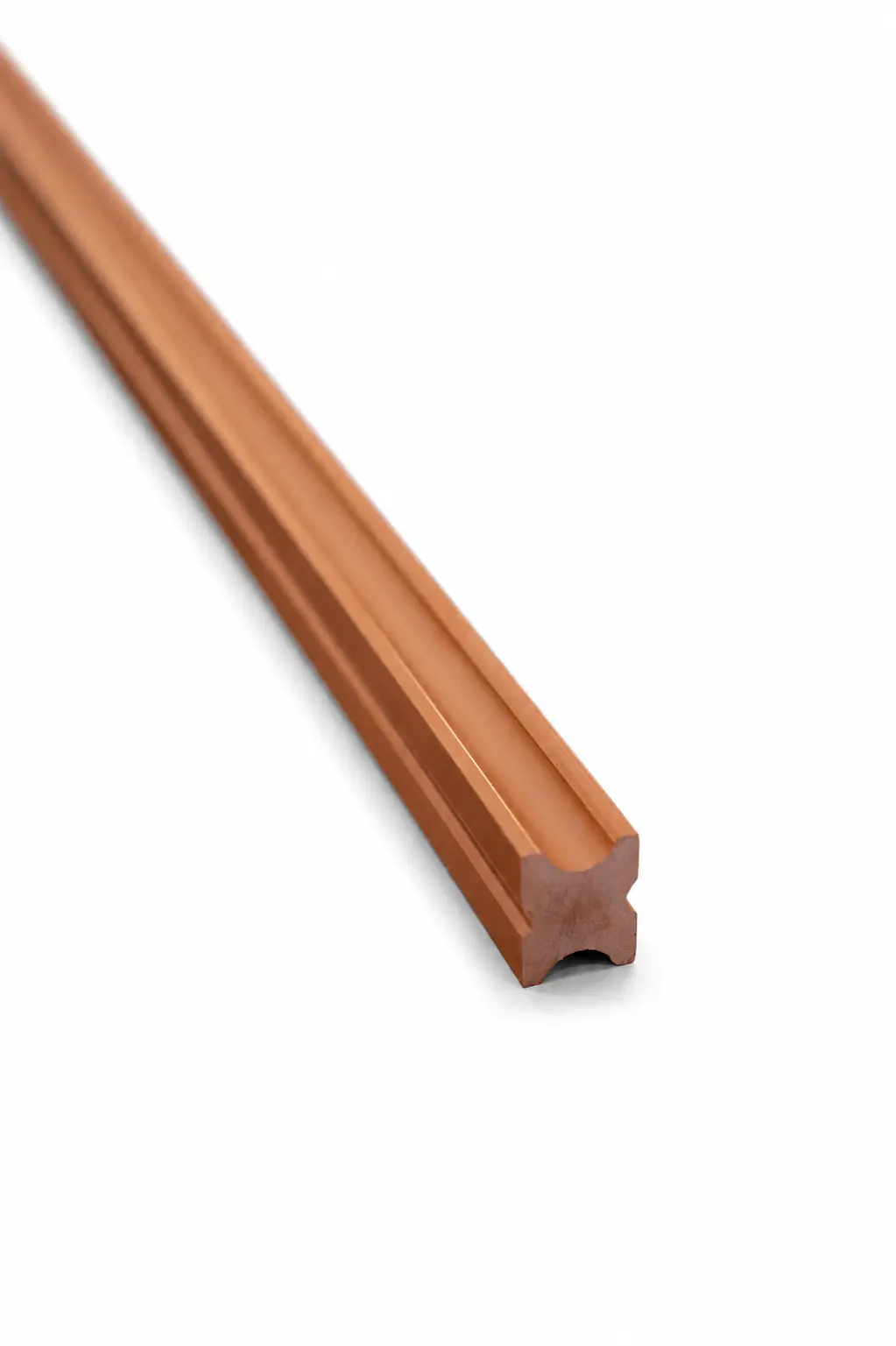 3100 × 40 × 30 mm
 Joists & accessories
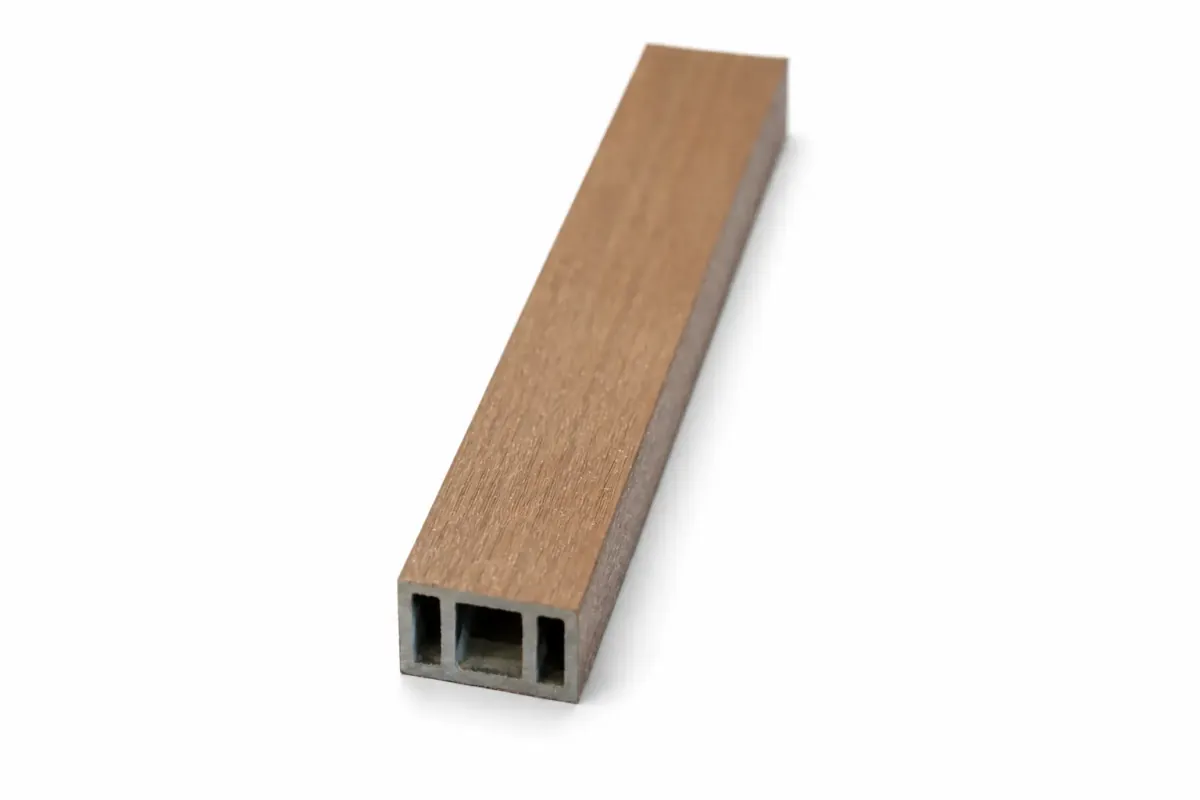 3000 × 60 × 42 mm
 Composite tubes & screens
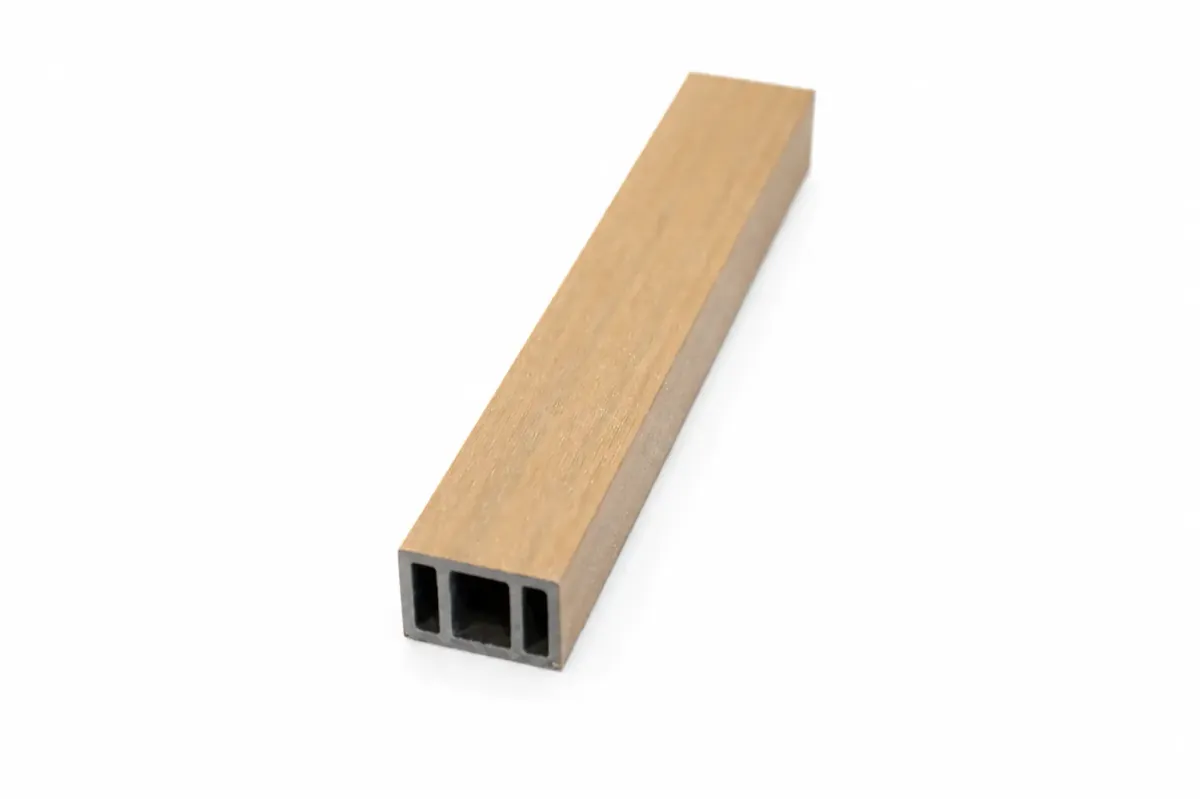 3000 × 60 × 42 mm
 Composite tubes & screens
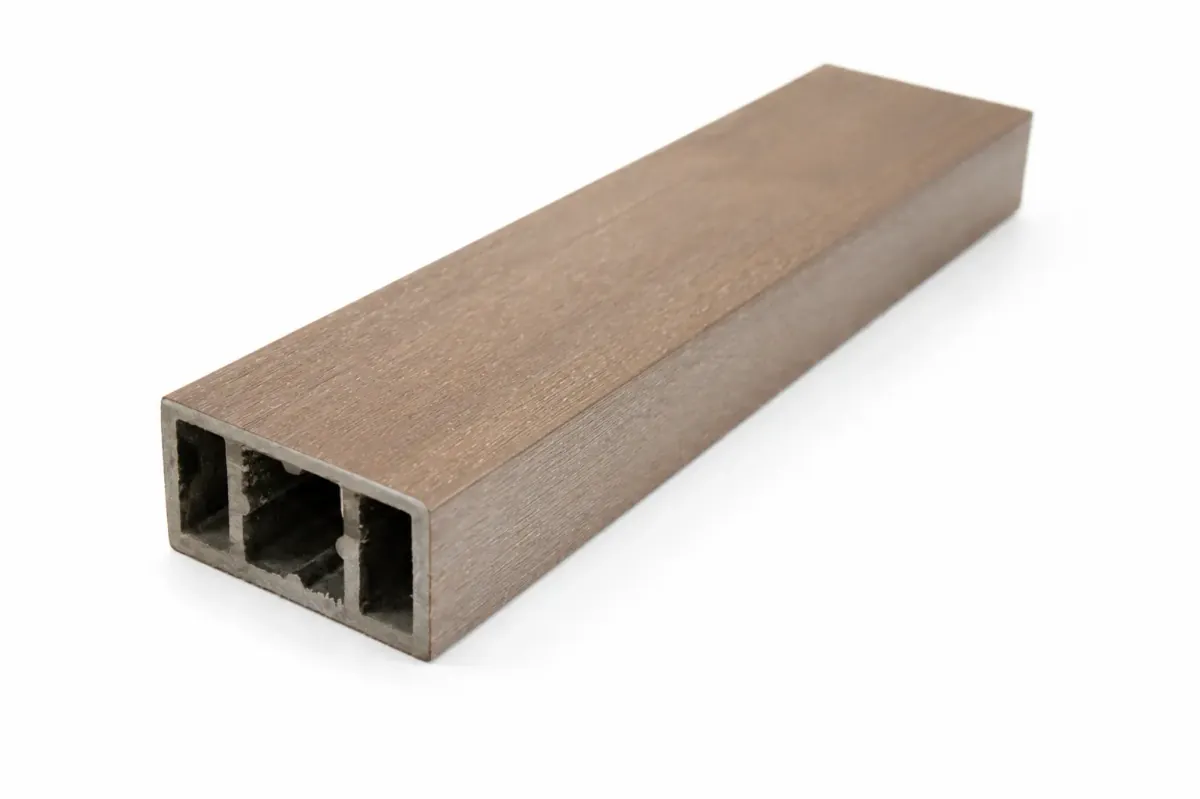 3000 × 100 × 50 mm
 Composite tubes & screens
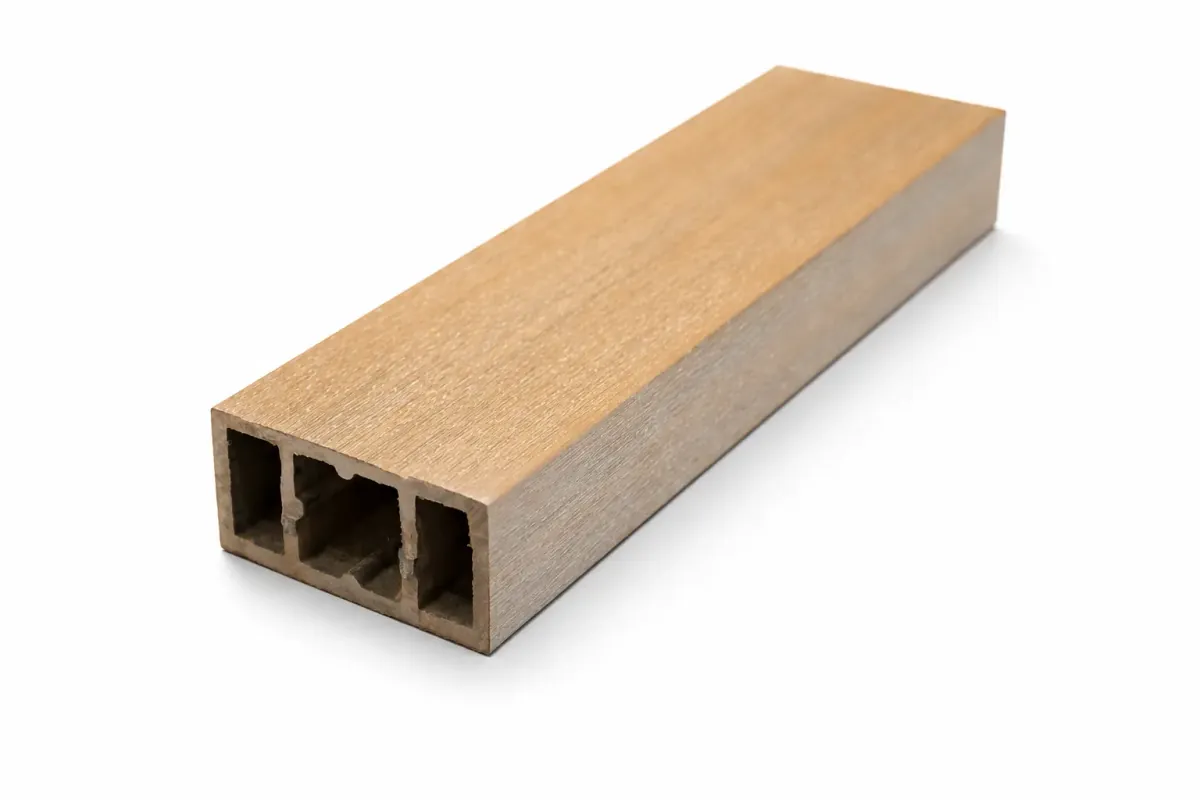 3000 × 100 × 50 mm
 Composite tubes & screens
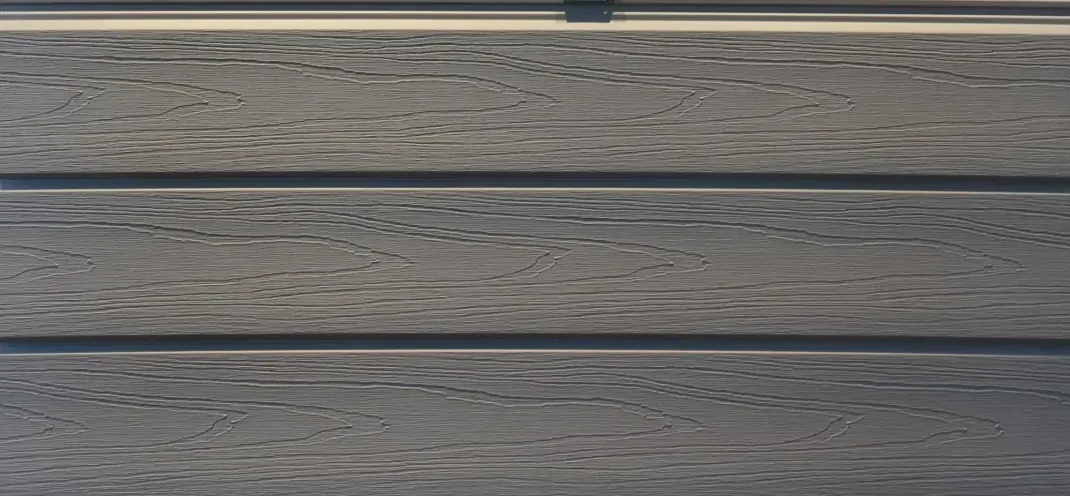 2900 × 150 mm
 Composite façade boards
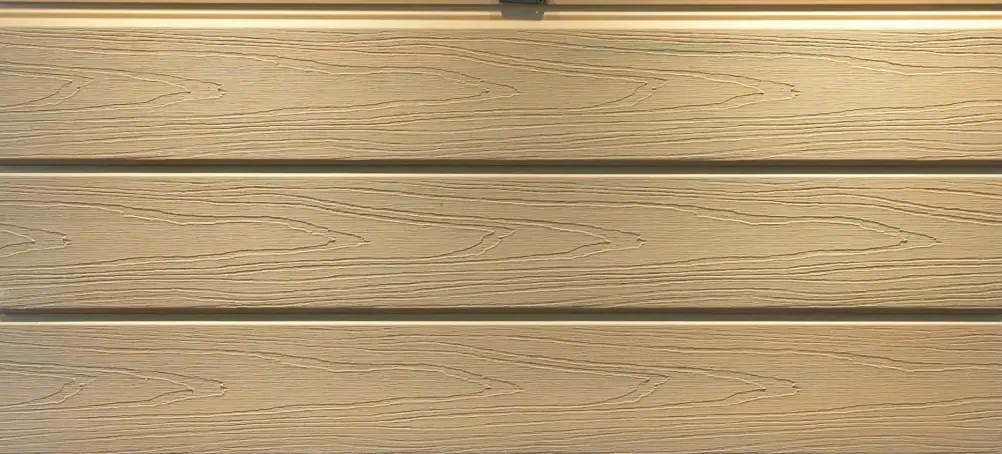 2900 × 150 mm
 Composite façade boards
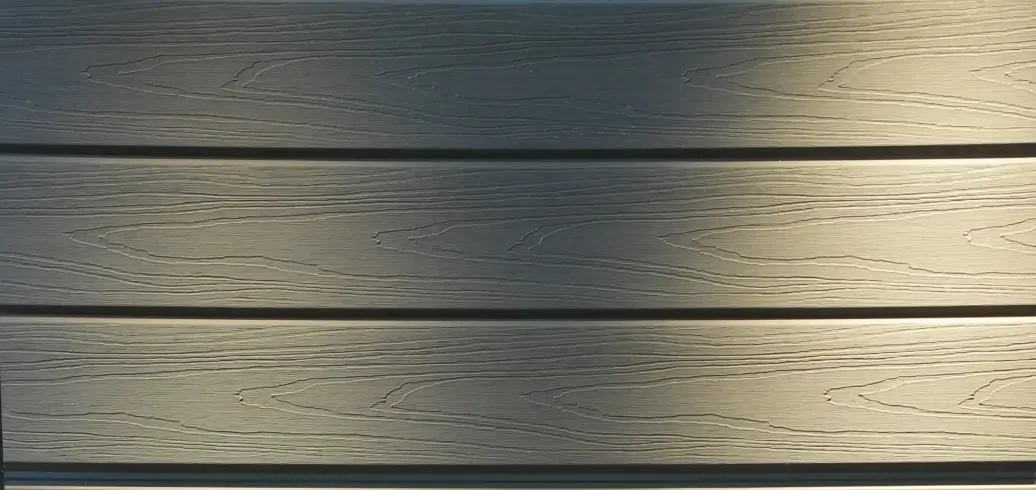 2900 × 153 × 21 mm
 Composite façade boards
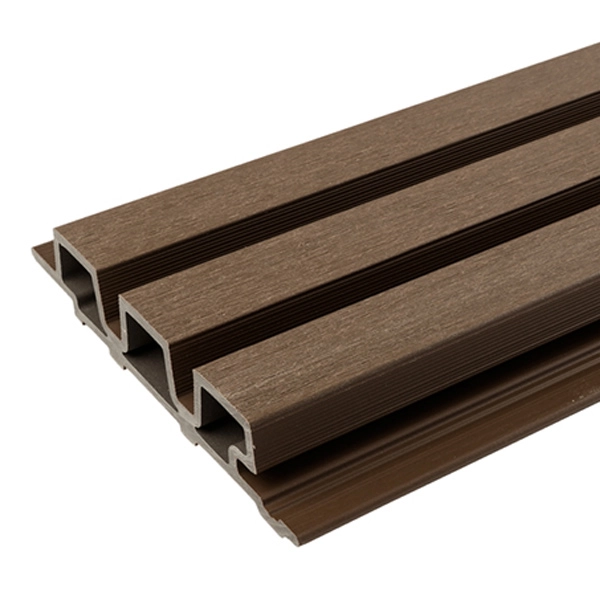 2900 × 169 mm
 Composite cladding
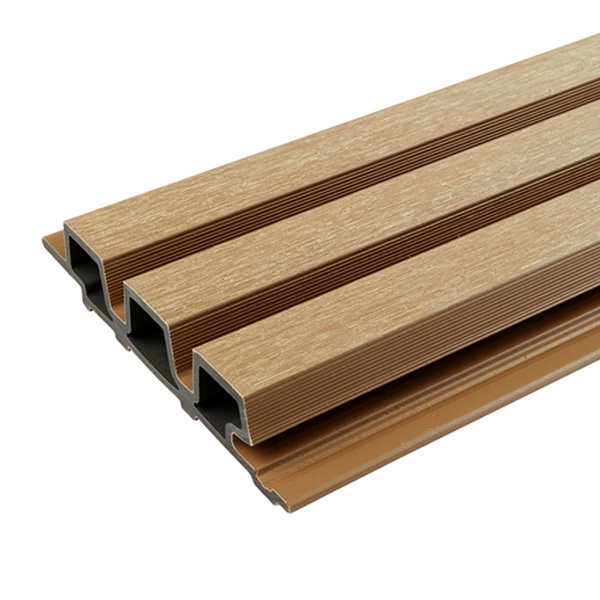 2900 × 169 mm
 Composite cladding
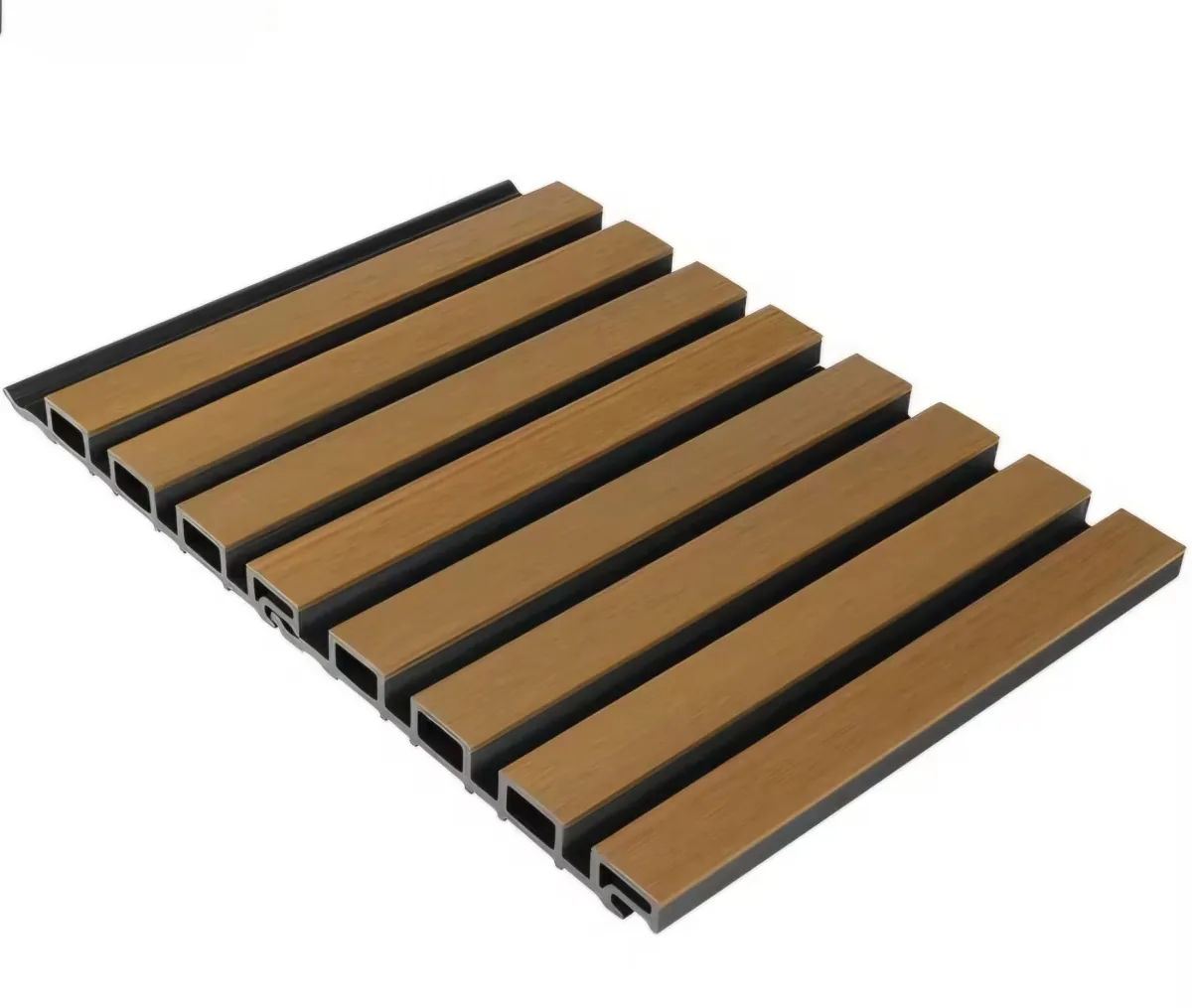 2900 × 222 × 25 mm
 Composite cladding
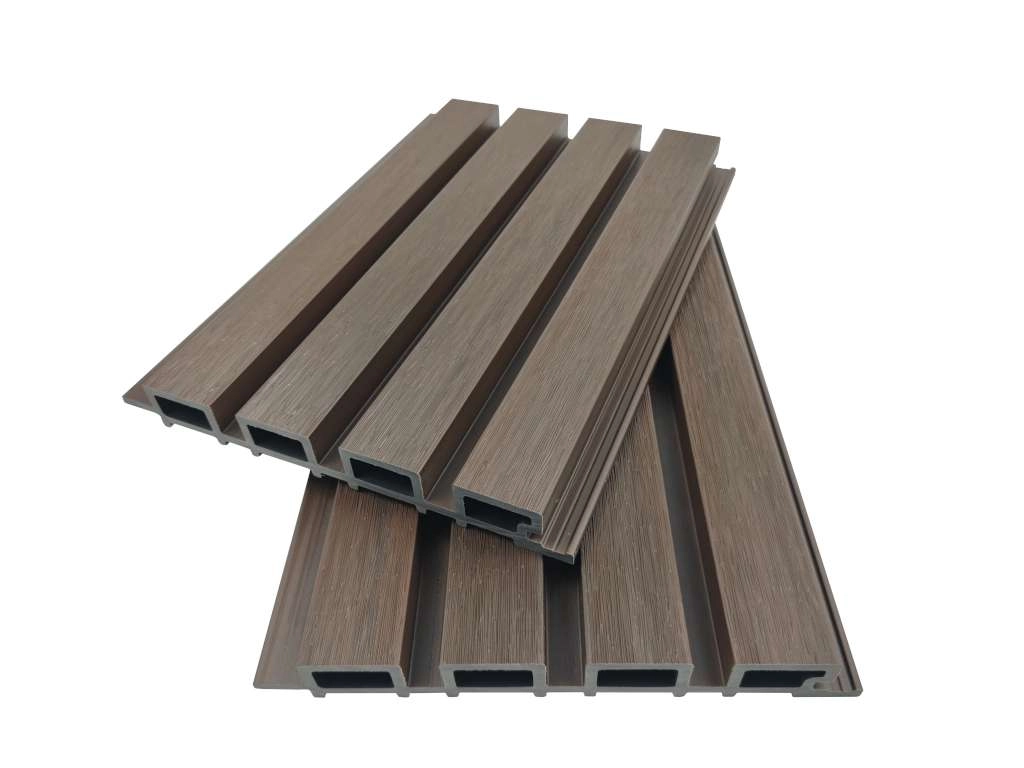 2900 × 222 × 25 mm
 Composite cladding
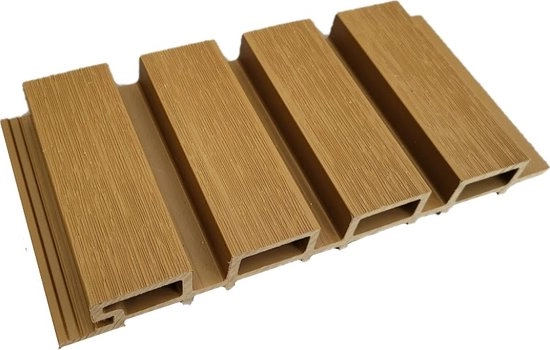 2900 × 222 × 25 mm
 Composite cladding
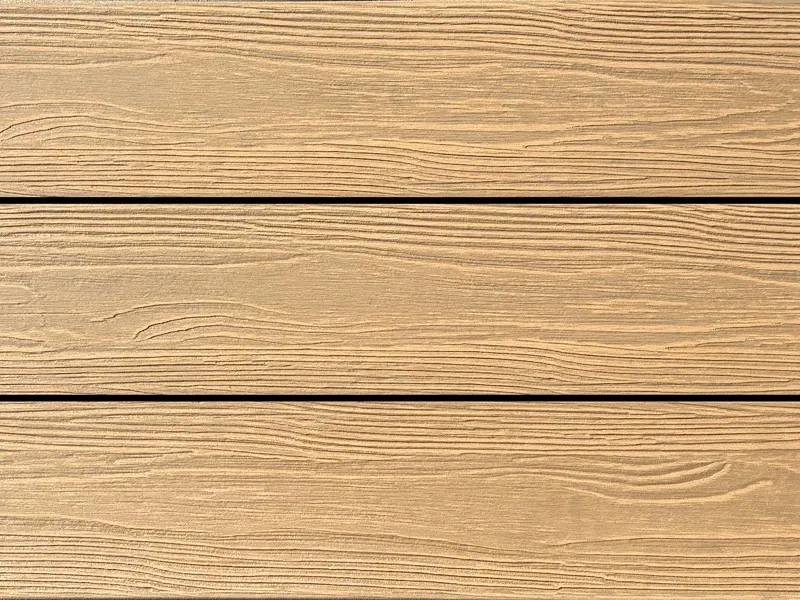 3100 × 140 × 22 mm
 Composite decking boards
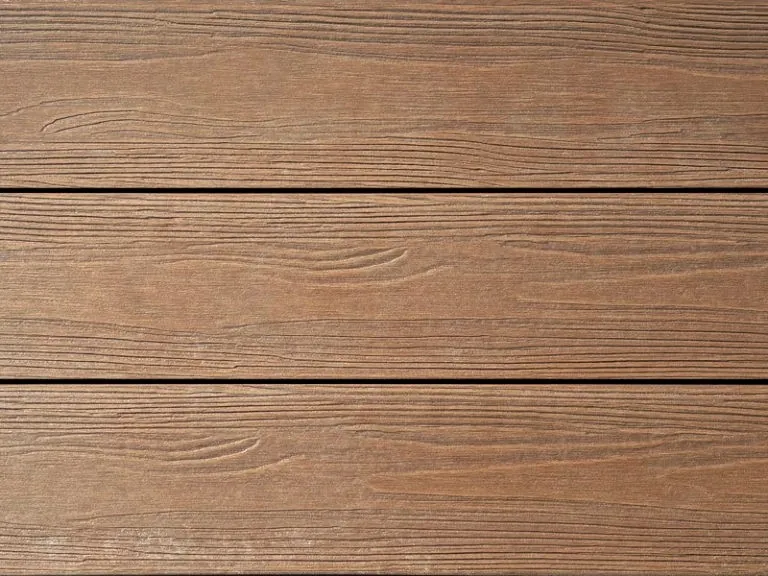 3100 × 140 × 22 mm
 Composite decking boards
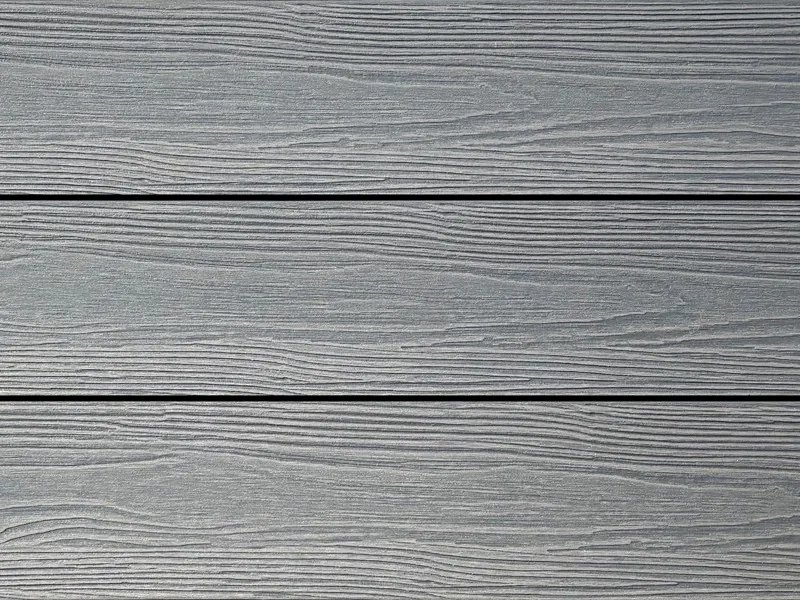 3100 × 140 × 22 mm
 Composite decking boards
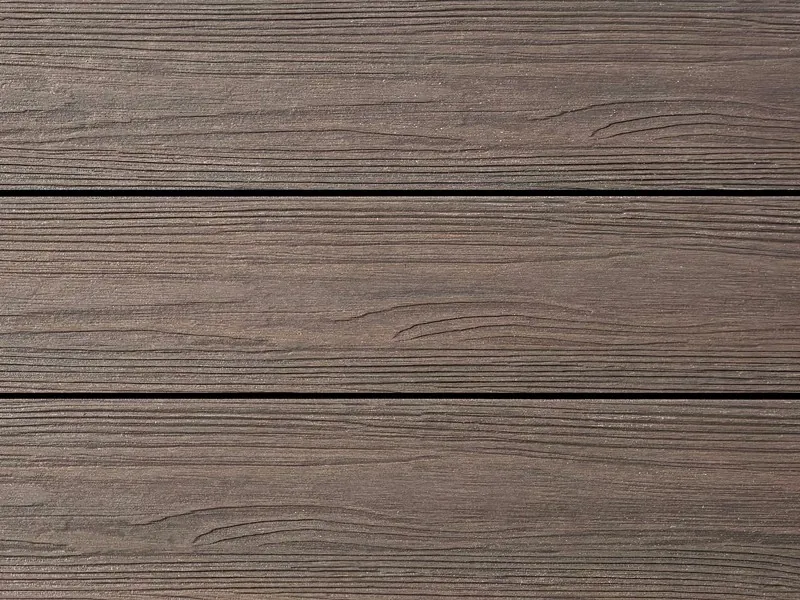 3100 × 140 × 22 mm
 Composite decking boards
Below 20 mm, keep joist centres to 40 cm. Above 22 mm, you can move up to 50–60 cm.
A reversible board offers two patterns and doubles its useful life: you turn it over instead of replacing it.
Light shades (Teak, Walnut) stay cooler underfoot. Dark ones (Dark Grey) show dust less.
A composite terrace is only as good as its substructure: calibrated joists, adjustable pedestals and a 1 % drainage fall.
In Morocco, exotic hardwood laid as decking greys within two summers. It has to be sanded, oiled and re-coated every year — and it still ends up splitting. WPC composite wood (Wood Plastic Composite) solves the problem at source: recycled wood fibre bound into a polymer and compacted to high density. The grain and warmth of wood, without its fragility.
Three local constraints explain how quickly it has been adopted on residential and hotel projects across the Kingdom.
Solar radiation. Between Marrakech and Ouarzazate, an outdoor surface takes a level of sunlight that will fade any unprotected pigment. DECNO boards carry UV protection right through the material, not as a surface coat: the shade does not leave with the finish.
Sea air. From Tangier to Agadir, salt attacks timber and corrodes fixings. Composite is waterproof: it does not absorb salt-laden moisture, does not swell and does not rot. Paired with stainless fixings, it holds up on a seafront.
Temperature swings. A winter night in Ifrane and a summer afternoon in Fez do not call for the same expansion allowance. Our profiles are calibrated for that range, provided the installation gaps given on each product sheet are respected.
Decking boards are laid horizontally on joists: they are the floor of your outdoor space. Cladding and façade boards dress a wall vertically or horizontally, as ventilated cladding. Composite tubes serve as screens, privacy panels or balustrades. Accessories — joists, corner trims, flat profiles — close off edges and corners cleanly.
A well-finished terrace usually combines all four: boards on the floor, joists underneath, a corner trim at the edge, and sometimes a screen to frame the view.
The other range
Marble-effect SPC panels and decorative slat boards