Aller au contenu
Corner trims

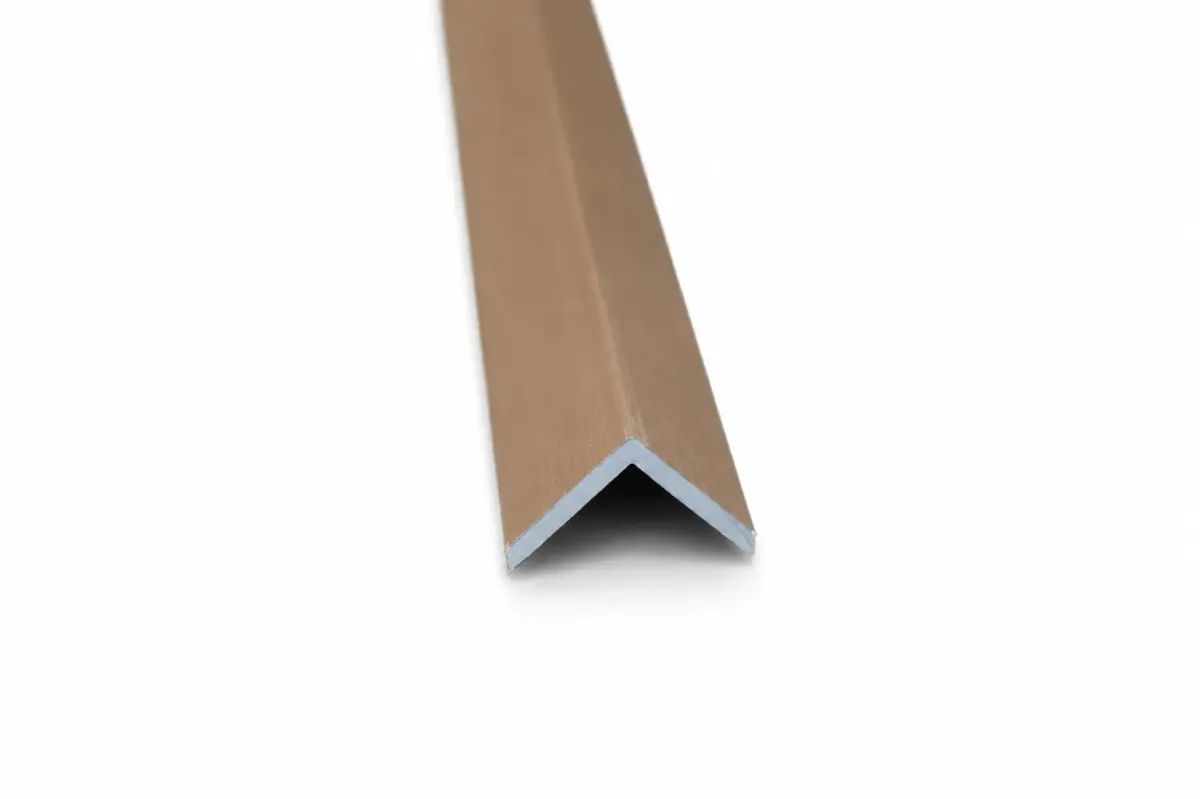
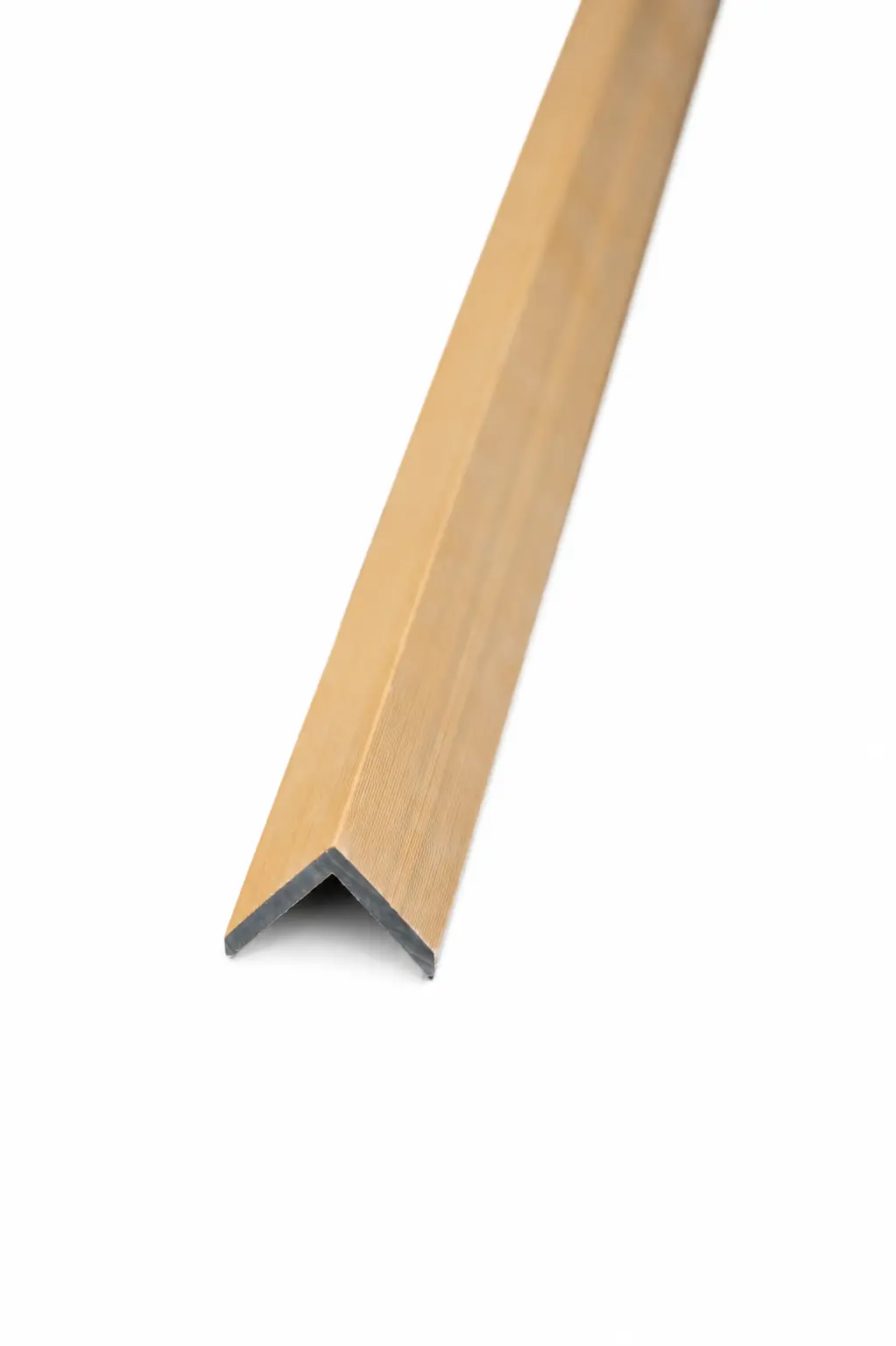
Walnut Corner Trim — L-Profile Composite Angle | 2900 × 50 × 50 mm

Dimensions
2900 × 50 × 50 mm
Stock
Casablanca

Walnut corner trim by DECNO — 2900 × 50 × 50 mm. An L-profile WPC composite angle for a clean, careful finish on cladding and terrace corners. Walnut shade, waterproof, UV- and insect-resistant. Zero upkeep. Request your DECNO quote.

  • L-profile angle — a 90° angle shape that dresses the exposed edges and corners of composite structures perfectly, for a clean, professional finish.
  • Walnut shade — a tone that matches DECNO Walnut decking boards and cladding exactly, for a consistent and careful finish.
  • Edge protection — protects the exposed edges of boards and cladding against knocks, wear and water ingress, extending the life of your installation.
  • High-density composite wood (WPC) — waterproof, resistant to UV, frost, insects and termites — unlike timber trims, which degrade over time.
  • Zero upkeep — no paint, no stain, no treatment — washing with soapy water is enough to keep it looking right over time.

Walnut Corner Trim — The Right Finish for Your Cladding and Terrace Corners

Looking for a composite corner trim to finish your cladding or terrace corners cleanly? DECNO's Walnut corner trim is the right answer for dressing the edges and corners of your composite installations. With its L-profile angle and dimensions of 2900 × 50 × 50 mm, it protects and improves exposed edges while matching your Walnut composite boards and cladding exactly.

Why choose the DECNO Walnut corner trim?

  • ✓ L-profile angle: a 90° angle shape that dresses exposed edges and corners perfectly, for a clean, professional finish.
  • ✓ Walnut shade: a tone that matches DECNO Walnut decking boards and cladding exactly.
  • ✓ Edge protection: protects exposed edges against knocks, wear and water ingress.
  • ✓ High-density composite wood (WPC): waterproof, resistant to UV, frost, insects and termites.
  • ✓ Zero upkeep: no paint, no stain, no treatment.
  • ✓ Easy to install: fixed by discreet screwing or bonding.

Where it is used

  • ✓ Corner trims on exterior cladding
  • ✓ Terrace corner trims
  • ✓ Protection of exposed edges and corners
  • ✓ Post and structure dressing
  • ✓ Composite façade trims
  • ✓ Residential and commercial projects

Request your tailored quote

For prices, stock availability or installation guidance, use our online quote form. The DECNO team comes back quickly with an offer matched to your project.

Frequently Asked Questions

Frequently asked questions

Everything about
this product

What is the DECNO Walnut corner trim for?
The Walnut corner trim is an L-profile angle used to finish and protect the exposed corners of composite installations, such as terrace corners or cladding edges. It hides raw cuts and gives the whole project a professional, attractive finish.
How is the Walnut corner trim installed?
The corner trim is fixed over the edge to be covered by discreet screwing or by bonding with an adhesive suited to composite. It can be cut to the length you need with a fine-tooth saw to fit your project exactly.
Does the Walnut corner trim match the other DECNO products?
Yes. The natural walnut brown of the corner trim is designed to match the Walnut decking boards, cladding and façade boards in the DECNO range exactly, for a consistent result across the whole project.
Does the corner trim stand up to the weather?
Yes. Made from high-density WPC composite, the Walnut corner trim resists moisture, UV, frost and insects. It is designed to stay outdoors long term without distorting or degrading, unlike timber profiles.
What is the difference between the Teak and Walnut trims?
Both trims share the same L-profile and the same dimensions and technical performance. The difference is purely visual: Teak is a warm golden brown, Walnut a natural walnut brown. The choice depends on how you want it to sit with your boards and cladding.
Does the Walnut corner trim need maintenance?
No. The DECNO corner trim needs no particular upkeep. Washing with soapy water once or twice a year is enough to preserve its appearance and its properties over time.

Composite corner <br class="hidden sm:block" />trims — The angle that closes a corner, hides a cut and gives a project its finished look.

Univers extérieur